Older homes across Arlington can have plumbing that has worked quietly for decades until a leak, pressure problem, or water stain signals that something has changed. Deciding what to do next is not always straightforward. A small failure may need only a targeted repair, while repeat trouble may justify exploring whole house repiping in Arlington Texas as a longer-term solution.
The right choice depends on evidence, not panic. Arlington homeowners should consider the location and number of leaks, the pipe material, water pressure throughout the house, visible corrosion, and prior repairs. A qualified plumbing inspection can distinguish between a worn fixture or an isolated pipe section and a broader issue involving aging water supply lines.
Why Old Plumbing Fails
Plumbing systems move clean water to fixtures and carry wastewater away through separate drain lines. Water supply pipes can deteriorate due to corrosion, mineral buildup, pressure fluctuations, aging connections, or installation issues. Texas heat can also make an unnoticed leak more troublesome when moisture remains in a wall, cabinet, or ceiling cavity.
A home’s age is a useful clue, but it is not a diagnosis. Some older Arlington homes have updated branches or fixtures, while other properties may still have original piping in concealed areas. Understanding basic plumbing systems helps homeowners distinguish supply-line concerns from drain and sewer issues, which often require different inspection methods and repairs.
Warning Signs That Need Attention
One dripping connection does not automatically mean every pipe needs replacement. Patterns matter more than a single event. Schedule a closer evaluation when you notice:
- Leaks occurring in more than one room or on different branches of the pipe.
- Rust-colored, yellow, cloudy, or unusually metallic-smelling water.
- Lower water pressure at several fixtures, not just one faucet.
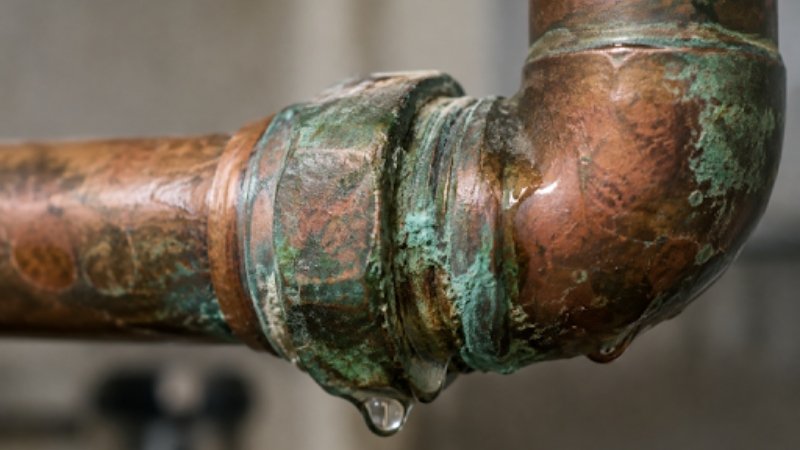
- Green, white, or reddish buildup on exposed pipes or fittings.
- Recurring water stains, damp drywall, warped cabinets, or musty odors.
- A significant pressure drop when multiple fixtures are running.
For example, a leaking faucet supply line under one sink can often be replaced as a focused repair. Three separate leaks in different sinks or behind different walls within a year may point to a broader underlying issue that warrants more than another patch.
Common Pipe Materials and Their Risks
Galvanized Steel
Older galvanized steel water lines can corrode internally. As corrosion and deposits build up inside the pipe, water flow may decrease, and discoloration can become more noticeable. The outside of a pipe can look relatively intact even when the inside passage has narrowed.
Copper
Copper has been widely used for residential water lines and can provide long service. However, copper can develop pinhole leaks. Repeated pinhole leaks in separate locations warrant a review of the overall system, rather than treating each new failure as unrelated.
Older Plastic Piping
Homes may also contain older plastic piping products that should be identified before repairs are planned. Pipe material, visible condition, repair history, and the location of the problem all matter. Avoid forcing old shutoff valves or opening walls without a clear plan for access and repair.
Repair, Partial Replacement, or Full Repiping?
There are three common paths for aging water supply lines:
- Spot repair: Often appropriate when a single fitting, valve, or a short accessible section has failed, and the surrounding pipe appears sound.
- Partial replacement: May be warranted when a specific branch, bathroom, kitchen run, or accessible area has recurring trouble, while other sections remain in good condition.
- Full repiping: May make sense when leaks, corrosion, poor flow, or unreliable piping affect multiple areas of the house.
Consider how many leaks have occurred, whether they are spread across the home, whether low pressure is widespread, and whether another isolated repair is likely to postpone the same decision. A replacement project should also clearly identify what remains in service, including any buried line between the home and the water meter.
What a Plumbing Inspection Should Cover
A careful inspection should begin with accessible evidence. A plumbing professional may identify exposed piping materials, check for staining and corrosion, review the leak history, assess water pressure, test affected fixtures, and inspect key shutoff valves. If low flow is limited to one faucet, an aerator, fixture cartridge, or local valve may be responsible. Low pressure at multiple fixtures calls for a broader evaluation.
The inspection should also clarify whether the issue involves water supply piping, drain piping, or the main service line. These systems can produce similar symptoms, but they are not interchangeable. A written explanation of findings gives homeowners a better basis for comparing repair options.
Comparing Modern Pipe Options
Flexible Plastic Piping
Flexible plastic water piping can be routed around framing with fewer directional changes than rigid pipe. Correct sizing, support, protection from damage, and approved installation practices remain essential. The selected material should be suitable for potable water and comply with applicable local requirements.
Copper Piping
Copper remains a familiar option for residential supply lines. Its rigid installation style, labor requirements, connection method, and compatibility with the existing system can influence the final recommendation. The best choice is the one that fits the home’s layout, condition, and project scope.
If a home has unknown older plumbing or concerns about lead, testing and professional guidance are prudent. The EPA explains that lead can enter drinking water through corrosion of plumbing materials, including pipes, faucets, and fixtures, so questions about lead in drinking water should be addressed with appropriate testing rather than assumptions.
Preparing for Pipe Replacement
A clear scope of work reduces surprises during a partial replacement or repiping project. Before work begins, ask for written details covering:
- The rooms, fixtures, branches, and pipe materials included.
- Expected access points in walls, ceilings, cabinets, floors, or exterior areas.
- How long water service may be interrupted.
- Who handles permits, inspections, cleanup, drywall repair, paint, and trim work.
- How hidden damage or unexpected pipe conditions will be addressed.
- What warranty and completion documentation will be provided.
Move furniture and personal belongings away from expected work areas, and protect items stored beneath sinks or near utility spaces. Keep records of the finished project, including permits and invoices, for future maintenance and home sale discussions.
Questions to Ask Before Work Begins
- What evidence supports repair, partial replacement, or full repiping?
- Which pipe materials are currently installed?
- Will any older sections remain after the work is complete?
- What will happen if concealed damage is found?
- Are surface repairs included in the estimate?
- Will the work affect landscaping, cabinets, walls, or flooring?
Common Questions About Aging Plumbing
Does One Leak Mean the Whole House Needs New Pipes?
No. One leak may be isolated. The decision should be based on the pipe’s condition, material, leak history, location, and evidence of problems elsewhere.
Can New Fixtures Fix Low Water Pressure?
They can help when the problem is limited to one clogged aerator, valve, or fixture. If weak flow affects several fixtures, the supply system should be evaluated.
Is Repiping the Same as Replacing Drain Lines?
Usually, repiping refers to water supply lines. Drain and sewer replacement involves different pipe systems, symptoms, tools, and inspection methods.
Conclusion
Aging plumbing in Arlington should be evaluated by evidence, not fear. Repeated leaks, widespread pressure loss, corrosion, water discoloration, and questionable pipe materials are all reasons to look beyond a temporary repair. With a clear inspection and written scope, homeowners can choose a practical path that fits their home, budget, and long-term plans.