Key Takeaways
- The right garage coating depends on how the space is used, the condition of the concrete, moisture, sunlight, and budget.
- Concrete preparation has as much impact on performance as the coating material itself.
- Epoxy, polyurea, polyaspartic, sealers, and floor paints all serve different purposes.
- Baltimore garages should be planned for wet weather, road grime, tracked-in grit, and winter deicing residue.
- Slip resistance, curing time, chemical exposure, and maintenance should be considered before installation begins.
Baltimore homeowners use garages in many ways. Some protect daily drivers from summer heat and seasonal rain, while others use the space for tools, storage, hobbies, home gyms, or weekend projects. Choosing epoxy flooring in Baltimore, MD starts with understanding the concrete beneath it and the conditions the finished floor will face every day.
A coated garage floor can make cleanup easier, reduce concrete dust, and provide a more finished appearance. It can also help limit staining from oil, automotive fluids, muddy shoes, and ordinary household spills. However, even a high-quality system cannot correct major settlement, severe concrete deterioration, or an unresolved water problem.
Why Baltimore Garage Conditions Matter
Garages throughout Baltimore may experience moisture at the door opening, dampness near foundation walls, and sand or grit carried in by tires and shoes. A floor that looks clean can still have absorbed oil, old sealer, or moisture below the surface. These conditions affect whether a coating bonds properly and how long it continues to perform.
Homeowners searching for epoxy flooring near me should compare complete coating systems rather than selecting a product based solely on color or a quick-turnaround promise. The preparation process, repair plan, traction option, and cure schedule should all match the garage’s intended use.
How Common Garage Floor Finishes Compare
Epoxy
Epoxy is a hard resin coating valued for its resistance to many household chemicals, tire marks, and abrasion. It is commonly used in garages and workshops because it can create a substantial protective layer. Depending on the product, epoxy may require a longer curing time than faster-setting systems, and some formulations may require protection from prolonged ultraviolet exposure.
Polyurea
Polyurea coatings are often selected for flexibility, impact resistance, and fast curing. A short installation window can be useful when a household needs the garage back up and running quickly. That same quick working time also means accurate mixing, timing, and application are important.
Polyaspartic
Polyaspartic materials are frequently used as protective topcoats because they can provide a clear finish and good resistance to sunlight. Garages with large windows facing Baltimore’s strong summer sun can benefit from this UV resistance. Temperature, humidity, and the installer’s application technique can influence the appearance and cure of the finished floor.
Sealers and Floor Paints
Concrete sealers and garage floor paints may be appropriate for lighter-duty spaces or short-term cosmetic improvements. They generally provide less build and protection than a professionally prepared multi-layer resin system. A lower initial price can be worthwhile for the right project, but it should be weighed against expected traffic and wear.
Start with the Garage, Not the Product
Before choosing a finish, consider what happens in the space. Ask whether it will hold vehicles only or also serve as a workshop, storage area, gym, or utility room. Consider heavy shelving, floor jacks, lawn equipment, dropped tools, direct sun through windows, and how long the garage can remain empty during installation and curing.
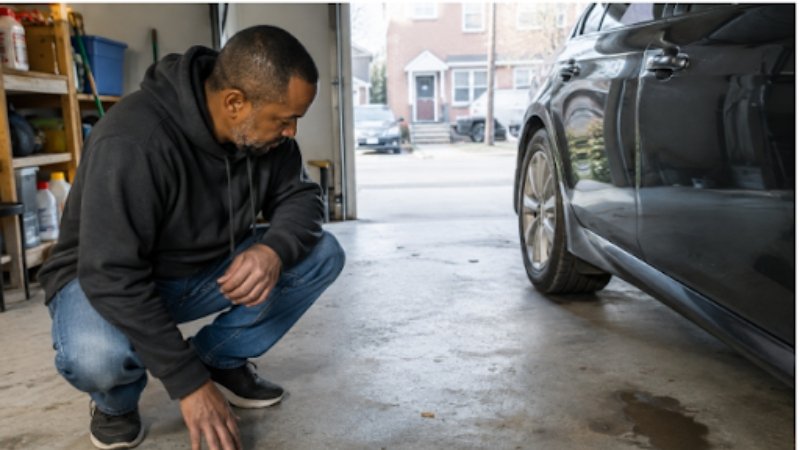
Inspect for oil stains, cracks, pitting, flaking concrete, old paint, and standing water. Minor cracks and pits may be repairable as part of a coating project. Cracks caused by ongoing movement or serious structural concerns should be evaluated before cosmetic work proceeds.
Surface Preparation Determines the Result
Sweeping or pressure washing alone may not create the surface profile needed for a coating to adhere. Proper preparation can include mechanical grinding, removal of failed old coatings, cleaning contaminants, and repairing suitable cracks or damaged areas. Coating over oil, dust, weak concrete, or an incompatible prior finish can contribute to peeling, bubbling, or early wear.
Moisture deserves equal attention. Concrete can receive water from beneath the slab, from wall or door-area leaks, or from poor exterior drainage. The EPA’s guidance on controlling moisture in buildings emphasizes the importance of managing water around foundations and building materials. Damp areas, white mineral deposits, musty odors, or blistering finishes are signs that should be addressed before coating.
Safety and Appearance Should Work Together
A glossy floor can become slippery when wet, especially near a Baltimore garage entrance after rain or snow. Decorative flakes, quartz systems, and traction additives can improve grip while also changing the visual finish. Too much texture can make sweeping more difficult, so the best choice balances traction, cleaning needs, and the activities performed in the garage.
What Installation Usually Includes
- Inspection: Review concrete condition, moisture concerns, damage, and existing finishes.
- Preparation: Mechanically prepare the slab and remove contaminants.
- Repairs: Fill appropriate cracks, pits, and spalled areas.
- Coating application: Install the base coat, decorative flakes or quartz if selected, and protective topcoat.
- Curing: Keep foot traffic, vehicles, and heavy items off the floor for the required time.
Questions to Ask Before Hiring an Installer
- How will the concrete be prepared?
- Will moisture conditions be evaluated before installation?
- Which layers are included in the proposed system?
- How will cracks, pits, and old paint be handled?
- What traction options are available for wet conditions?
- When can people walk on the floor, and when can vehicles return?
- What does the written warranty cover?
Reading an Estimate and Avoiding Common Problems
Compare written scopes of work, not only total prices. An estimate should include preparation, repairs, coating layers, decorative materials, topcoats, square footage, and any additional costs for extensive concrete repair. It should also state the anticipated project timeline and return-to-use schedule. In Baltimore, humid summers and freeze-thaw winters can affect cure times, so the schedule should reflect the season when the work is planned.
Peeling often points to inadequate preparation, contamination, moisture pressure, or an incompatible old coating. Bubbles and blisters can be related to moisture or unsuitable application conditions. Uneven color may result from inconsistent spreading or flake distribution. Slippery areas may indicate an overly smooth finish, a lack of traction additives, or residue on the surface.
Simple Maintenance for a Coated Garage Floor
Sweep up grit and loose debris regularly because abrasive particles can wear down any finished surface over time. In Baltimore, winter road salt and deicing residue tracked in from driveways and streets should be rinsed away promptly. Clean oil, fuel, and chemical spills promptly with products appropriate for the coating. Use pads beneath heavy jacks or stands, avoid dragging sharp metal items, and inspect high-traffic areas seasonally. If widespread dullness, deep scratches, thinning, or reduced stain resistance develops, an inspection can help determine whether a new topcoat is appropriate.
Final Checklist
Choose a garage floor system based on actual use, not appearance alone. Evaluate moisture and drainage, inspect the concrete, compare material options, review surface preparation, select suitable traction, confirm curing requirements, and read the warranty carefully. With those steps, Baltimore homeowners can select a garage floor coating that is better suited to daily vehicle traffic, changing weather, and the practical demands of the space.