Key Takeaways
How to Plan a Reliable Diesel Engine: Confirm the actual source of the engine problem before authorizing a replacement.
Compare targeted repair, rebuild, replacement, and repower options using the total project cost.
Verify compatibility of mechanical, cooling, fuel, electrical, and control systems.
Budget for labor, freight, fluids, accessories, testing, and lost operating time.
Review applicable emissions requirements before modifying an engine or related equipment.
Use a controlled startup, load test, and follow-up inspection process.
Replacing a diesel engine in an older truck, loader, generator, agricultural machine, or industrial unit is a major equipment decision. A suitable replacement, such as a Cummins N14 engine for an applicable legacy platform, must be evaluated as part of the complete machine rather than as an isolated purchase.
The goal is not simply to get the equipment running again. A well-planned project identifies the root cause of failure, confirms fitment, accounts for downtime and supporting repairs, and establishes a maintenance baseline to help protect the investment after installation.
Why Replacement Planning Matters
An engine failure can disrupt work schedules, deliveries, crews, rentals, and customer commitments. The least expensive engine assembly is not automatically the least expensive solution when the project also requires removal labor, cooling-system work, wiring repairs, replacement accessories, and extended downtime.
Start before the failed engine is removed. For example, an older loader with a sound transmission, hydraulics, frame, and attachments may justify an engine project. The same engine problem in a machine with worn driveline components, recurring hydraulic failures, and poor parts availability may lead to a different decision.
Confirm The Engine Failure
Hard starting, low power, smoke, overheating, oil consumption, and warning lights do not always mean the long block has failed. Fuel delivery issues, air restrictions, turbocharger problems, cooling system faults, sensor, wiring, and calibration problems can produce similar symptoms.
Recommended Diagnostic Steps
Record symptoms, fault codes, engine hours, recent repairs, and operating conditions.
Check oil pressure, coolant condition, operating temperature, and crankcase blow-by.
Inspect the fuel system, air intake, turbocharger, wiring, sensors, and visible leaks.
Use compression, leak-down, or oil analysis results when appropriate and available.
Pressure-test the cooling system and inspect for internal or external coolant loss.
Request a written diagnosis and estimate before approving major work.
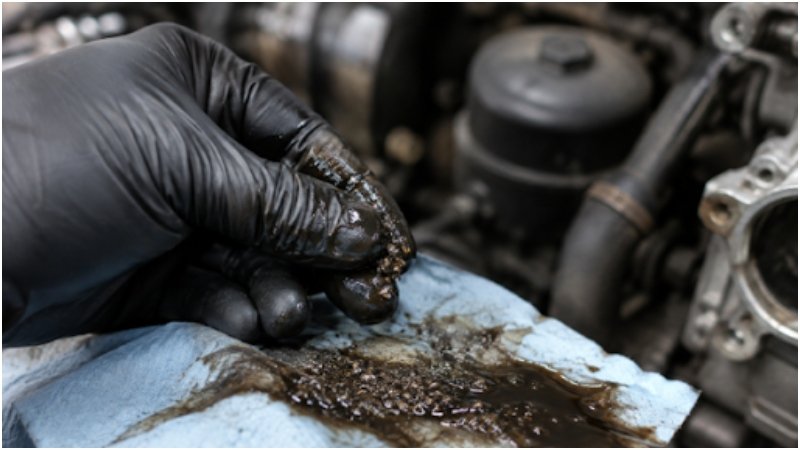
Metal in the oil or filter, sudden loss of oil pressure, repeated overheating, severe blow-by, knocking, rapid fluid loss, or persistent exhaust smoke should be addressed promptly. Continuing to operate equipment with these signs can increase damage and complicate diagnosis.
Compare Repair, Rebuild, Replacement, And Repower.
Targeted repair: Best when damage is limited, and the rest of the engine is demonstrably sound. It may be less suitable when wear or prior failures point to a broader issue.
Rebuild: A practical path when the core components are serviceable and machining, parts, and skilled labor are available. Final cost depends on teardown findings.
Replacement: Often considered when internal damage is severe, downtime is critical, or repair risk is too high. Fitment and accessory requirements still need close review.
Repower: Useful when a different engine configuration better supports future work. It can require significant changes to mounts, controls, cooling, exhaust, and driveline connections.
Ask how many useful years remain in the equipment, how heavily it works, whether the failure is isolated, and whether qualified service and replacement parts will remain available. Those answers are more valuable than comparing engine prices alone.
Check Compatibility Before Ordering
Displacement and horsepower are only starting points. A dependable installation requires a match between the engine and the equipment around it.
Items To Verify
Engine model, serial number, rating, configuration, and mounting locations
Flywheel housing, clutch or torque-converter connection, and transmission interface
Oil pan clearance, pulley position, accessory-drive layout, and hydraulic pump arrangements
Radiator, fan, shroud, charge-air cooler, fuel lines, intake plumbing, and exhaust routing
Electronic controls, sensors, wiring connectors, software needs, and instrument compatibility
Photograph the engine bay, label connectors and hoses, measure tight clearances, and record identification plates before removal. Keep removed brackets, fittings, and accessories until the replacement has passed startup and load testing.
Review Emissions and Operating Requirements
Requirements can differ for highway vehicles, nonroad equipment, generators, marine engines, and stationary applications. Review the rules that apply to the equipment, location, and intended use before changing an engine or emissions-related component. Required emissions equipment should not be removed, bypassed, or disabled.
Regional programs recognize that older engine replacement and repowering can be part of broader diesel-emissions reduction efforts. Keep installation records that include engine serial numbers, emissions information, calibration details, and work completed.
Build The Full Project Budget
How to Plan A Reliable Diesel Engine: A reliable budget includes more than the engine assembly. Account for freight, insurance, removal and installation labor, fluids, filters, belts, hoses, seals, gaskets, shop supplies, lifting equipment, testing, and potential rental or production losses.
Use three cost levels: an expected cost based on known work, an added-cost allowance for worn supporting parts, and a worst-case reserve for damage discovered after removal. Cooling-system cleaning, fuel-system contamination, electrical repairs, and missing accessories are common reasons a project grows beyond its initial estimate.
Prepare, Test, And Maintain
Clean the engine bay before installation, inspect mounts and driveline connections, and replace questionable hoses, clamps, belts, filters, and seals. Have torque specifications, wiring diagrams, fluid requirements, lifting plans, and startup procedures available before the replacement arrives.
Controlled Startup and Testing
Verify all fluid levels, connections, fasteners, and routing.
Prime the lubrication system according to the applicable service procedure.
Start the engine and monitor oil pressure immediately.
Watch temperature, charging voltage, leaks, smoke, vibration, and unusual noise.
Bring the machine to normal operating temperature, then perform a gradual load test.
Recheck fluid levels, clamps, fasteners, and diagnostic codes after testing.
Keep records of installation hours, serial numbers, initial readings, replaced parts, fault codes, and follow-up inspections. Planned replacement projects can also support cleaner operating goals. For example, Florida diesel replacement projects have documented calculated reductions in nitrogen oxides from replaced truck and marine engines.
After installation, set maintenance intervals based on manufacturer guidance, engine hours, load, and operating environment. Track oil and coolant conditions, inspect air filtration more often in dusty service, monitor fuel quality, and investigate any early changes in smoke, power, temperature, vibration, or fuel use.
Conclusion
How to Plan a Reliable Diesel Engine: Replacing a diesel engine is a comprehensive equipment project, not just a parts purchase. Conducting thorough diagnostics, verifying compatibility, planning realistic budgets, managing emissions, performing controlled testing, and maintaining disciplined upkeep can minimize unnecessary downtime and ensure that older equipment stays productive. Click here for more details